Floral Round Wreath Frame
A Designer’s First Look: Delicate, Balanced, and Quietly Versatile
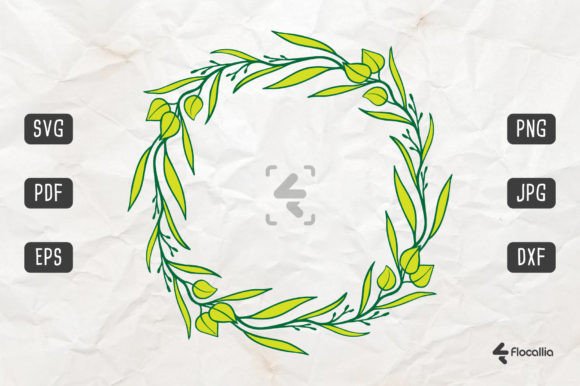
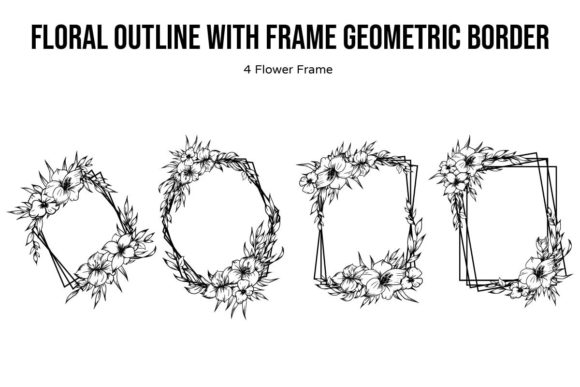
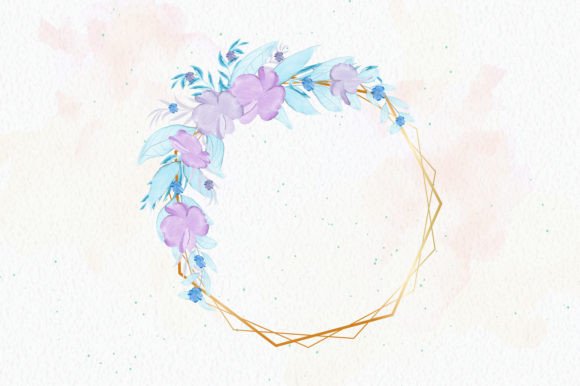
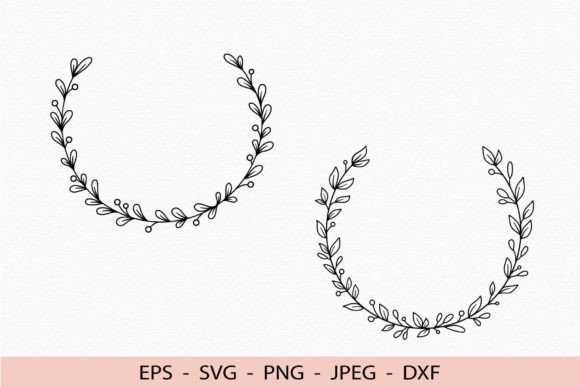
When I opened the Floral Round Wreath Frame files, my first thought wasn’t “pretty”—it was “purposeful.” The shape is a true circle, not an oval or flattened ring, and the floral elements are spaced with breathing room—not crammed, not sparse. Petals have gentle curves, leaves taper naturally, and the overall density feels intentional: light enough for breathable fabric, rich enough to hold presence on a finished product. It reads as botanical but not fussy, romantic but not overly feminine—making it one of those rare machine embroidery designs that lands well across age groups and aesthetics. I immediately pictured it centered on a linen tea towel for a small-batch kitchen boutique, or scaled down as a subtle chest emblem on a baby onesie.
How It Performs in Real Embroidery Projects
I tested the Floral Round Wreath Frame across three real-world applications: a medium-weight cotton tote bag, a 100% combed cotton sweatshirt, and a lightweight chambray apron. On the tote, it stitched cleanly with standard tear-away stabilizer—no puckering, no distortion. The outer petals held crisp definition thanks to balanced satin stitch transitions, and the inner negative space kept the design from feeling heavy. On the sweatshirt, I used cut-away stabilizer and slightly reduced top tension; the result was soft, dimensional, and wearable—not stiff or plasticky. That’s critical for custom apparel: customers don’t want embroidery that cracks after two washes.
For the apron, I appreciated how the circular frame created natural visual anchoring—no need for extra text or monograms. It felt complete as-is, which is rare for a standalone embroidery file. As a personalized gift, it adds quiet sophistication; as a small shop product, it signals care without shouting. I also mocked it up digitally on mockups for Etsy listings—both light and dark backgrounds—and it translated cleanly each time. No detail vanished in grayscale previews, and the proportions held up even at 3.5” diameter (a common size for embroidered patch or cap front).
Where to Use It Thoughtfully—Not Everywhere
The Floral Round Wreath Frame shines on stable, medium-weight fabrics: twill, canvas, linen, midweight cotton blends. But tread carefully on highly textured surfaces like terry cloth or bouclé—fine petal edges can blur. It’s also not ideal for very small hoops (<4”); while scalable, the inner details (like slender stems and delicate leaf tips) begin to lose clarity below ~2.75”. On stretchy fabric like jersey or ribbed knits, you’ll need excellent stabilizer pairing and possibly digitizing tweaks—this isn’t a “drop-in-and-stitch” file for performance wear.
Dark fabric works beautifully—if you choose high-contrast thread colors—but avoid ultra-dense fill areas in black-on-black scenarios. And while it’s lovely on curved surfaces like caps, keep it centered on the front panel only; the symmetry doesn’t adapt well to side panels or back curves. Also note: this is a graphic-focused digital embroidery file, not an applique design. There’s no built-in layering or fabric-cutting sequence, so if you’re planning an applique version, plan those steps separately.
What It Adds to Your Handmade Product—and What It Doesn’t
This design elevates perceived value without demanding premium pricing. A simple cotton pillow cover becomes a curated nursery piece. A plain sweatshirt gains quiet brand recognition—ideal for a lifestyle-focused craft business or Etsy seller building a cohesive aesthetic. Customers notice the balance: not too busy, not too bare. That balance builds trust. It says, “I paid attention,” not “I rushed a trend.”
But let’s be clear: the Floral Round Wreath Frame doesn’t carry your brand voice alone. It’s a strong supporting player—not a logo replacement. Use it as a framing device around a name or date (for wedding gifts), as a border on a holiday kitchen towel, or as the sole motif on a minimalist baby blanket. Its strength is restraint, not dominance.
Practical Notes Every Embroidery Designer Should Check
- Always test on scrap fabric first—especially if stitching on new fabric types or blending thread colors.
- Review stitch density before hooping. Dense fill areas may need lighter underlay or adjusted jump stitches on older machines.
- Confirm hoop size compatibility. While scalable, extreme resizing affects stitch integrity—verify minimum recommended dimensions in your embroidery software.
- Inspect small details at 200% zoom in your editing program. Tiny leaf tips or petal ends should remain distinct, not merge into fill.
- Test black-and-white mockups to assess contrast and readability—this matters for digital listings and printable mockups.
- Compare light vs. dark fabric backgrounds visually. Some thread palettes flatter one better than the other.
- Use appropriate stabilizer: tear-away for stable wovens, cut-away for knits, and hybrid for textured or loosely woven fabrics.
- Verify licensing terms before selling finished items or bundling the Floral Round Wreath Frame into digital product kits—it’s listed as a Graphics asset in the Crafts category, but commercial use rights must be confirmed directly with the source.
Final Thought: A Reliable Frame, Not a Fad
In a market flooded with over-digitized florals and repetitive motifs, the Floral Round Wreath Frame stands out by doing less—and doing it well. It doesn’t try to be everything. It’s a thoughtful frame, not a statement. That makes it unusually adaptable: for a boutique’s seasonal collection, a maker’s signature gift line, or a custom embroidery project where elegance lives in the margins. If your work values clarity, craft integrity, and quiet confidence, this is one of those design assets you’ll reach for again—not because it’s trendy, but because it simply works.